
示例圖來源:@chi_vc_ · CC0 1.0
心得與說明
怎麼填變量:先上載一張清楚的正面或半身照(自拍、原創角色立繪都可以)。[溫柔甜美] 換成你想要的方向,例如"酷颯街頭""學院風""戶外機能";[穿搭主題名] 寫一個短名字,如"春日野餐""雨天通勤"。示例圖標題是"SOFT DREAM":中間是棕色短髮、粉色大眼的 3D Q 版女孩,穿粉色麻花針織開衫、格紋短裙、白襪和樂福鞋,背米白小包;右邊是開衫、襯衫、裙子、包、鞋的單品拆解,左邊是概念、色板和四種面料小樣,底部有四個姿勢和一排轉面圖。
常見問題與調整:
- 不像本人:加"保留參考圖的髮型輪廓、劉海形狀和髮色,眼睛顏色一致"。
- 衣服照搬了原圖:再強調"不要使用參考圖中的任何衣服"。
- 模組太多字太小:刪掉"姿勢參考"或"轉面圖",留 5 個模組。
- 想要 2D 風格:把"3D 渲染"改成"日系平塗插畫,乾淨線稿"。
適合:個人頭像 / 原創角色周邊設計、穿搭類社媒內容、給角色做設定參考;不適合用他人照片未經同意生成。
英文原版
Create a fashion infographic based on the reference image. Use the reference image mainly to understand the character’s identity, hairstyle, facial features, color impression, personality, and overall mood.

Transform the character into a polished 3D chibi character with a large head, small body, expressive eyes, and soft cute proportions. Keep the character’s recognizable features, such as hairstyle, hair color, eye color, facial impression, and overall aura, while designing a new original outfit that naturally suits the character’s atmosphere.

Do not simply copy the clothing from the reference image. Instead, create a coordinated fashion style that feels appropriate for this character’s personality, color palette, and visual mood. The outfit may include thoughtfully chosen clothing, shoes, accessories, textures, and silhouettes that enhance the character’s charm.

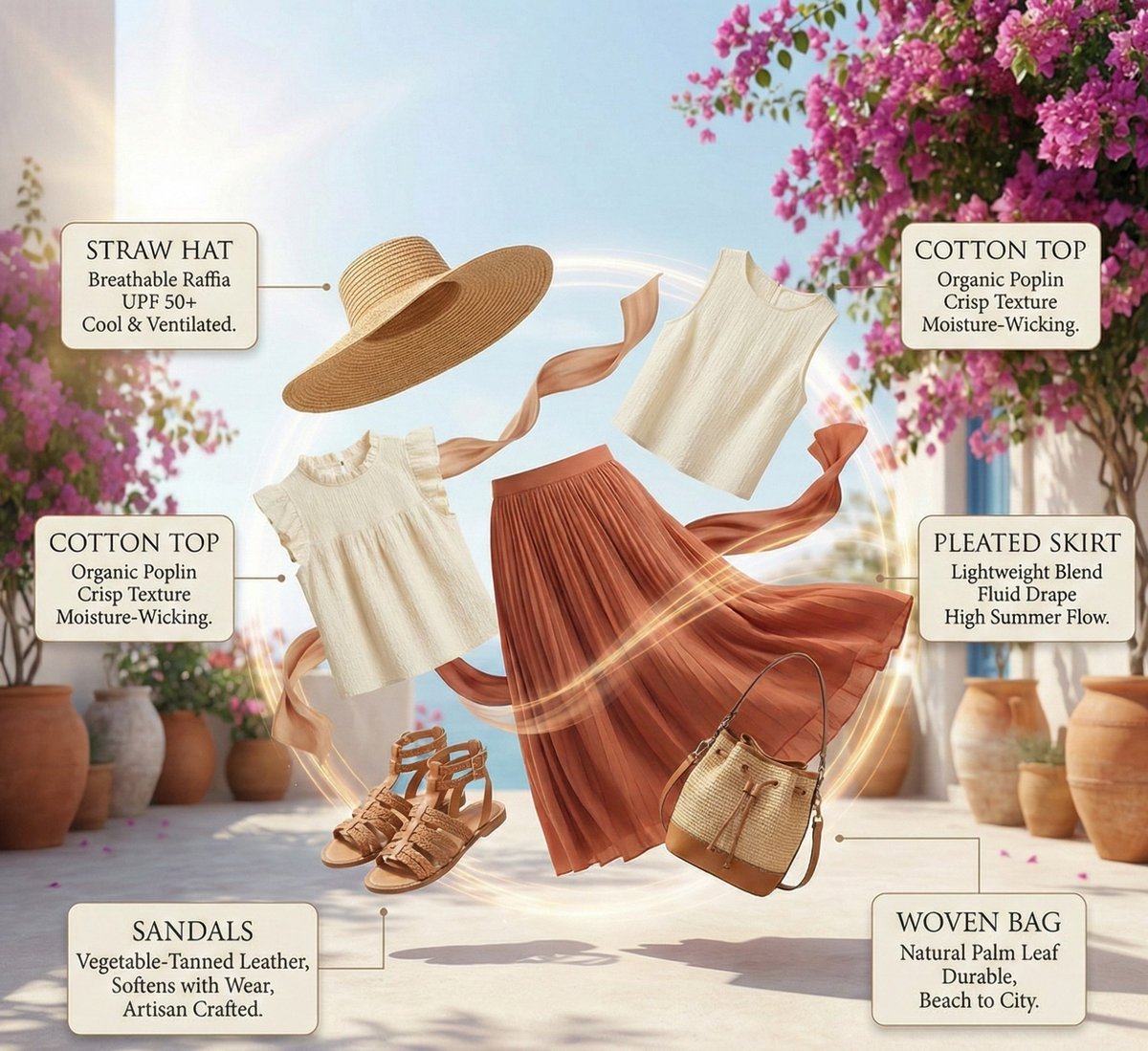
Show a full-body main pose in the center, surrounded by editorial callouts: outfit concept, clothing item breakdown, fabric texture swatches, styling points, accessory close-ups, color palette, and a small pose guide. Use a clean white background, soft lighting, premium lookbook layout, ultra-detailed 3D rendering, stylish fashion editorial design, cute but refined.
改編自 @chi_vc_ 發佈、EvoLinkAI/awesome-gpt-image-2-API-and-Prompts 收錄的提示詞,倉庫許可證 CC0 1.0。
同款作品
用這條提示詞做出來的作品;原作者會因此獲得積分
還沒有同款,來做第一個。
0 條評論
還沒有評論,來搶沙發~